Building the Bond: Lessons I Learned Along the Way -Colossians 3:12–14 (NIV)
What does it really take to build a bond when becoming a family doesn’t automatically mean feeling like one?
When I think about the word blended in the context of family, I realize that blended doesn’t mean everything blends perfectly. It means different people, different personalities, different experiences, different expectations, and sometimes different homes coming together and learning how to become a family. And somewhere along that journey, I learned that building the bond takes much more than love. It takes patience, grace, communication, understanding, forgiveness, and a willingness to keep showing up.
My journey has taught me lessons I didn’t necessarily expect to learn. Some came through beautiful moments. Others came through difficult seasons and conversations I wish had never been necessary. But each experience taught me something about family—and, perhaps more importantly, something about myself.
Lesson #1: Building a Bond Takes Time
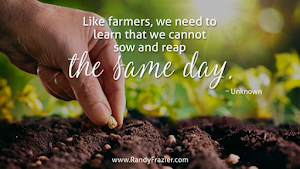
I learned that you cannot rush relationships. We may want everyone to connect immediately. We may want the children to embrace the new family structure. We may want everyone to feel comfortable, secure, and connected. But relationships don’t work on our timeline. Trust, comfort, and connection all take time.
Sometimes, building the bond happens in the simplest moments—sharing a meal, having a conversation, laughing together, showing up for an important moment, or simply being present. Those little moments matter.
We often look for the big breakthrough, but sometimes the bond is being built quietly in the everyday moments we almost overlook.
Lesson #2: Love Doesn’t Mean Everything Will Be Easy
I used to think that if people loved each other, they would naturally know how to get along. But family life taught me differently. You can love someone and still struggle to understand them. You can love your children and still have difficult conversations. You can love your spouse and disagree about parenting. You can love your family and still need boundaries.
Love doesn’t eliminate challenges. Love gives us a reason to work through them.
Lesson #3: Everyone Brings Their Own Story—aka Baggage
Every person entering a blended family brings something with them.
Children bring their memories, fears, questions, and expectations. Parents bring their experiences. Bonus parents bring their own hopes and uncertainties. And sometimes, the adults are carrying unresolved hurt from previous relationships.
I learned that before we can understand someone’s behavior, sometimes we must understand their story. And sometimes, we must do some unpacking of our own. Because if we don’t deal with what we are carrying, we can unintentionally carry it from one relationship into another.
Blending a family isn’t just about bringing people together. Sometimes, it’s about giving everyone the space and grace to process what they have experienced before they can fully embrace what comes next.
Lesson #4: I Couldn’t Control Everything
This was one of the hardest lessons for me. Because, like Janet Jackson, I liked being in control. But I learned that I couldn’t control every situation.
I couldn’t control what happened in another household. I couldn’t control how someone else responded. I couldn’t control how quickly a relationship developed. And I certainly couldn’t make everyone see things the way I saw them.
I know you may be thinking, “Duh! I already know that.” But you would be surprised how knowing something and actually living it out can be two completely different things. Even when we know we can’t control everything, that doesn’t always stop us from trying.
Eventually, I had to shift my focus from what I couldn’t control to what I could control—myself and my actions.
I could control whether I showed up. I could control how I communicated. I could choose to listen. I could choose to extend grace. I could choose to love others the way God loves me. And sometimes, choosing peace meant accepting what I could not change. That was a lesson in surrender—and, honestly, one I continue to learn.
Lesson #5: Communication Has to Be Intentional
Blended families require more than just communication. They require intentional communication. Not just conversations when something goes wrong, but conversations when things are going well.
We need to intentionally talk about expectations, boundaries, parenting, relationships, and feelings. And sometimes, we must talk about the things nobody really wants to talk about.
I learned that avoiding difficult conversations doesn’t make difficult situations disappear. It eventually creates a speed bump. You keep trying to move forward, but that same unresolved issue keeps getting in the way because you keep sweeping it under the rug.
Sometimes, the conversation is the beginning of the healing. It may not solve everything immediately. It may not be comfortable. But having the conversation can create space for understanding, honesty, forgiveness, and growth.
I’ve learned that our family doesn’t have to look like someone else’s family to be successful. No family is perfect because people are not perfect. Every family has its own story, its own challenges, its own victories, and its own way of navigating relationships. There is beauty in allowing our family to grow at its own pace.
Looking back, I realize that building the bond wasn’t just about creating relationships within my family. It was also about changing me. It taught me patience, humility, and forgiveness. Keep choosing love. Because sometimes the bond isn’t built in one big moment. It’s built along the way. If you’re somewhere in the middle of your own blended family journey, I want you to know that you are not alone.
Your family may not look the way you originally imagined. Your relationships may not have developed the way you expected. And that’s okay. You are still building something. Different experiences. Different relationships. Different stories.
Remember, the greatest lessons are the ones we learn along the way!


Comments
Post a Comment